British Railway Class Door Procedures
Match Driver and Guard steps to your stock—v1.4 made doors a checklist, not one key.
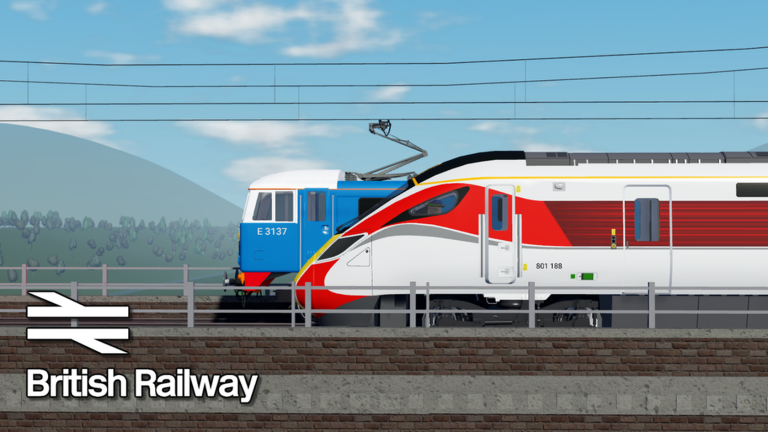
Doors stopped being universal in British Railway when version 1.4 shipped class-specific Guard workflows. Fourth Rail’s Coastal Update split who opens, who closes, who uses the cab door as a local door, and when buzzers replace physical door cycles. This guide is the procedure map Drivers and Guards share before a scored run. Read it alongside how to guard, controls, and class door-adjacent ticket work.
Why doors are a crew contract now
A SPAD hurts score, but door chaos hurts dwell—and dwell chaos causes rushed departures that lead to SPADs. After v1.4:
- Drivers may request a Guard via Looking For Guard listings, auto-accepting the first request
- Guards pick trains from Looking For Guard / Friends / Other sections
- Door steps change by class group, not by “I always press T”
If Driver and Guard use different mental models, OFF-safe departure culture breaks. Fix that in depot chat, not at Saltcombe with a Danger aspect waiting.
Default keys you still need
Desktop defaults from controls and the controls cheatsheet:
- T — doors in context / buzzer loops
- R — local door when procedure demands it
- U — unlock panel
- H — Guard whistle
- Y — Guard signal bell
Drivers own W/S throttle and A/D brake; Guards own platform choreography. Neither role “wins” by spamming the other’s keys.
Procedure group A — Driver opens, Guard closes (most Regionals)
Examples: Class 142 Pacers, many Class 150/230/321 patterns, and numerous multiple-unit groups listed in v1.4 notes (231, 755, 756, 745, 800–807 families in changelog language).
Driver flow:
- Stop safely at the platform marker.
- Open doors on the correct side using contextual T / panel flow.
- Hold departure until Guard confirms closure culture.
Guard flow:
- Open panel (U if required), release doors on the platform side.
- Process tickets when dwell allows (ticket checking).
- Close doors with T / procedure buttons—not by hoping the Driver remembers.
- Whistle (H), then bell (Y) for departure when OFF-safe.
This is the bread-and-butter loop for starter trains and early Coin farming with Guard +2 score bonuses.
Procedure group B — Driver owns doors, Guard buzzes (Class 220/221 style)
Intercity units in the 220/221 family flip responsibility: the Driver opens and closes doors while the Guard uses the buzzer to cue “close now” timing.
Driver flow: Watch for Guard buzzer intent before closing; do not close early because chat is quiet.
Guard flow: Use buzzer discipline instead of fighting Driver door UI. Tickets happen in the saloon without blocking the buzzer contract.
If you buy flashy intercity stock before learning Group A on a Class 150 local, you will hate Group B timing. Train unlock order: trains tier list.
Procedure group C — Cab door as local door (Class 150 / 230 / 321 emphasis)
v1.4 explicitly calls out Class 150, 230, and 321 Guard habits where the cab door acts as the local door. Guards re-enter via R local-door culture after platform work.
Guard checklist:
- Finish platform-side releases.
- Re-enter through cab/local door path.
- Close local door with R before bell (Y).
- Only then expect Driver traction.
Drivers: do not notch power because the Guard “looks close enough.” Wait for the bell.
Driver-request Guard feature
Drivers can flag a train into Looking For Guard, auto-accepting the first Guard request and bypassing some request timers. Use it when:
- You genuinely want Group A/B procedure help
- You are learning a new class on a busy public server
- You are running Fayre or Brynmouth diagrams with heavy dwell (Fayre Branch, Brynmouth coastal)
Do not use it to AFK-drive. Guard score bonus (+2 per stop) still requires real procedure.
OFF indicator and departure safety
Doors are only half the departure chain. OFF-related safety culture means:
- Brakes released only when platform work is complete
- Guard bell answered by Driver buzzer where required
- No power against a Danger aspect because doors “probably” finished
Signalling context: signals and SPAD. Ghosting changes after v1.4 mean another unit may occupy sighting differently—slow down instead of guessing.
Practice plan by role
Driver week one: Group A on Class 142 or 150 local; zero Guard optional.
Driver week two: Enable driver-request Guard; same local diagram.
Guard week one: Group A only on Looking For Guard listings.
Guard week two: Add Group C cab-door units after reading starter notes.
Both: One private-server drill (private server tips) before coastal or Fayre terminus flex.
Coin and score angle
Clean doors protect +10 stop ticks and the Guard’s ~+2 contribution. Rushed doors cause skip penalties, Passenger grief, and abandoned runs under partial payout thresholds (score and penalties). Codes do not skip procedure (Codes Hub).
Related reading
Guides Hub · How to drive · Roles overview · Version 1.4 · Tools Hub
Doors are choreography. Learn the script for your class before you perform on a live platform.
Frequently Asked Questions
Quick answers for British Railway drivers, guards, and passengers.
Did door procedures change in version 1.4?
Yes. v1.4 introduced class-specific Driver/Guard door splits, cab-door local-door habits, and driver-request Guard listings.
Which classes use the cab door as local door?
v1.4 highlights Class 150, 230, and 321 Guard workflows—confirm in-game on your livery pack.
Do Class 220/221 units work like Class 150?
No. 220/221-style units keep Driver door control while the Guard cues closure via buzzer.
Where do I learn Guard ticket steps?
See the ticket checking page after you can run Group A doors without panic.